A spicy chickpea stew, made with onion, a tin of tomatoes, diced potato and spinach. Plus chilli and garlic.
First dice and fry the onion, until it begins to brown. Decant the onion into a pan of boiling water with the potato, chickpeas etc. Mash the contents of a tin of tomatoes in a separate bowl, and add to the vegetables. Cook for at least an hour, stirring the mix occasionally. Add the herbs, the deseeded and diced chilli (2), and some freshly crushed garlic during the final fifteen minutes of cooking. Also add the chicken stock, the herbs basil and oregano.
The rice is presented in Korean style. A handful of Thai black rice was cooked for twenty minutes first of all, and then drained. A third of a cup of white long grain rice was added, along with fresh boiling water, plus half a teaspoonful of turmeric powder. Stir together thoroughly. Cook for another fifteen minutes before draining.
Press the rice into a small bowl with a teaspoon. Add the rice ball to the plate by holding the plate over the bowl, and inverting both. The rice will just drop out of the bowl.
Delicious food, mostly cooked from scratch. Often wheat-free. Search the recipes using the ingredient tags. Click to enlarge images. 1160+ recipe ideas and counting!
Thursday, 21 March 2019
Chickpea Stew with Chilli and Black Rice
Labels:
Basil,
Black Rice,
Chicken Stock,
Chickpea,
Garlic,
Herbs,
Onion,
Oregano,
Potato,
Red Chilli,
Rice,
Spinach,
Sunflower Oil,
Tomato,
Turmeric
Wednesday, 20 March 2019
Cullen Skink
Possibly the finest soup recipe in the world. Made with I tablespoon butter, 1 medium onion
2 smallish potatoes, peeled and cut into small cubes, 300ml water, 250g of undyed smoked haddock, 250ml milk, salt and (white) pepper to taste, Plus a little parsley.
Melt butter in a saucepan over medium heat, then add the julienned onion and fry gently until transparent. Cook for about 5 minutes at a low heat.
Add potatoes and water and bring to boil. Simmer for 10-15 minutes.
In another pan, cover the haddock with the milk and poach it gently for about five minutes until tender. Remove from the milk and, when cool enough to touch, flake gently into large pieces, removing bones.I used a plastic fork to flake the fish, in order to avoid scratching the non-stick surface.
Add milk and flaked fish to saucepan containing the potatoes and the other ingredients. Cook for a further 5 minutes. Serve with salt and pepper and sprinkle with chopped parsley.
Labels:
Butter,
Cullen Skink,
Fish,
Haddock,
Milk,
Onion,
Parsley,
Potato,
Smoked Haddock,
Soup,
White Pepper
Tuesday, 19 March 2019
Pork Wellington
A wellington type dish is anything wrapped in pastry, whether beef or some other meat, or which contains a savoury filling.
Apparently no connection with the famous Wellington, and the name does not appear in any recipe book from the nineteenth century, despite the fact that wrapping things in pastry was in vogue from the beginning of the century.
Strips of a cooked pork meatloaf, made with 500g of finely ground sausagemeat, diced onion (two small), a cupful of porridge oats, and half of a Bramley apple, cored and diced, with the skin left on, and one beaten egg (search on the tag 'meatloaf' for further details).
I made duxelles in an omelette pan with diced red onion (one) and diced mushrooms (three), cooked in butter with a generous pinch of thyme. Duxelles were invented in the eighteenth century in France as a filling for savoury pastries which, owing to the reduced water content, were less likely to cause pastries to explode in the oven.
I rolled the puff pastry to a half centimetre thickness, and added the duxelles mixture, and some of the sausagemeat.strips. The pastry was then wrapped around the contents, and ends were crimped together. The pastry parcels were brushed on both sides with sunflower oil.
Cooked on the middle shelf of an oven preheated to 180 deg C for an hour (watch progress carefully in the final fifteen minutes).
Served here with a four leaf salad, and two dessert spoonfuls of mayonnaise. Fabulous!
Apparently no connection with the famous Wellington, and the name does not appear in any recipe book from the nineteenth century, despite the fact that wrapping things in pastry was in vogue from the beginning of the century.
Strips of a cooked pork meatloaf, made with 500g of finely ground sausagemeat, diced onion (two small), a cupful of porridge oats, and half of a Bramley apple, cored and diced, with the skin left on, and one beaten egg (search on the tag 'meatloaf' for further details).
I made duxelles in an omelette pan with diced red onion (one) and diced mushrooms (three), cooked in butter with a generous pinch of thyme. Duxelles were invented in the eighteenth century in France as a filling for savoury pastries which, owing to the reduced water content, were less likely to cause pastries to explode in the oven.
I rolled the puff pastry to a half centimetre thickness, and added the duxelles mixture, and some of the sausagemeat.strips. The pastry was then wrapped around the contents, and ends were crimped together. The pastry parcels were brushed on both sides with sunflower oil.
Cooked on the middle shelf of an oven preheated to 180 deg C for an hour (watch progress carefully in the final fifteen minutes).
Served here with a four leaf salad, and two dessert spoonfuls of mayonnaise. Fabulous!
Labels:
Chard,
Duxelles,
Egg,
Four leaf salad,
Herbs,
Mayonnaise,
Meatloaf,
Mushroom,
Onion,
Pastry,
Pork,
Pork Wellington,
Puff Pastry,
Purple Lettuce,
Rocket,
Salad,
Sausagemeat,
Spinach,
Sunflower Oil,
Thyme
Saturday, 16 March 2019
Pork Meatloaf Salad
Meatloaf salad, made with cherry tomatoes, a four leaf salad of chard, rocket, spinach, and purple lettuce, spring onion (optional), drizzled with olive oil,
The meatloaf with it was made using pork sausage meat, oats, cornmeal, diced leek and herbs (rosemary in this case, but sage is also a good choice).
The ingredients were mixed initially by hand in a large pyrex bowl, until the vegetables and meat were thoroughly mixed together. I also added a little sunflower oil, and one large egg.
The mixing can take up to ten minutes. I added a little salt and the rosemary during this process.
After that I continued the mixing process using a medium sized wooden spoon for another seven minutes or so.
Then the mix was decanted into a silicon bread tin, patted down and textured with a fork. Cooked for one hour at 190 deg C on the middle shelf of the oven (check progress occasionally). The meatloaf will shrink a little during the cooking process, so there is no problem getting the loaf out of the tin in one piece after it has cooled.
The meatloaf with it was made using pork sausage meat, oats, cornmeal, diced leek and herbs (rosemary in this case, but sage is also a good choice).
The ingredients were mixed initially by hand in a large pyrex bowl, until the vegetables and meat were thoroughly mixed together. I also added a little sunflower oil, and one large egg.
The mixing can take up to ten minutes. I added a little salt and the rosemary during this process.
After that I continued the mixing process using a medium sized wooden spoon for another seven minutes or so.
Then the mix was decanted into a silicon bread tin, patted down and textured with a fork. Cooked for one hour at 190 deg C on the middle shelf of the oven (check progress occasionally). The meatloaf will shrink a little during the cooking process, so there is no problem getting the loaf out of the tin in one piece after it has cooled.
Sweet and Sour Chicken Noodle
A simple dish of pieces of roast chicken in a sweet and sour sauce, on a bed of steamed egg noodles.
The meat came from a chicken thigh. The sauce came from Aldi, though I often make sweet and sour sauce from scratch, which I've described elsewhere on this site.
The noodles were steamed rather than fried. They were semi-dried, though you could blanch them for a couple of minutes if you prefer your noodles to be particularly soft. Completely dried egg noodles need to be soaked for several minutes before actual cooking.
The noodles were decanted from the steamer to the serving bowl, and were drizzled in a little sesame oil. The chicken pieces in the sweet and sour sauce were also prepared in a steamer, and placed on top the noodles. Dressed with a little black pepper.
The meat came from a chicken thigh. The sauce came from Aldi, though I often make sweet and sour sauce from scratch, which I've described elsewhere on this site.
The noodles were steamed rather than fried. They were semi-dried, though you could blanch them for a couple of minutes if you prefer your noodles to be particularly soft. Completely dried egg noodles need to be soaked for several minutes before actual cooking.
The noodles were decanted from the steamer to the serving bowl, and were drizzled in a little sesame oil. The chicken pieces in the sweet and sour sauce were also prepared in a steamer, and placed on top the noodles. Dressed with a little black pepper.
Friday, 15 March 2019
Peppered Salami Sausage Roll
Peppered salami sausage and sliced mushrooms wrapped in a puff pastry. Essentially the same idea as beef Wellington. Or you can think of it as a spicy sausage roll.
The salami was thinly sliced (sourced already sliced from Morrison's 'Market Street' section).
The pastry was rolled out into a
rectangular shape, but not too thinly (to about a third of a centimetre thickness). Then the salami and the mushrooms were added, and the ensemble was rolled together, and the ends pinched.
Placed on a baking tray, and brushed with olive oil, top and bottom. The tray was put on the middle shelf of an oven preheated to 180 deg. C. Cooked for fifty minutes (watch carefully).
The trick with pastry is not to cook it at too high a heat. At 190 deg. C, the top is likely to be overbrowned while the base of the pastry isn't cooked properly. Better to cook it more slowly.
Served with a four leaf salad, drizzled with a little olive oil, and tomato ketchup.
The salami was thinly sliced (sourced already sliced from Morrison's 'Market Street' section).
The pastry was rolled out into a
rectangular shape, but not too thinly (to about a third of a centimetre thickness). Then the salami and the mushrooms were added, and the ensemble was rolled together, and the ends pinched.
Placed on a baking tray, and brushed with olive oil, top and bottom. The tray was put on the middle shelf of an oven preheated to 180 deg. C. Cooked for fifty minutes (watch carefully).
The trick with pastry is not to cook it at too high a heat. At 190 deg. C, the top is likely to be overbrowned while the base of the pastry isn't cooked properly. Better to cook it more slowly.
Served with a four leaf salad, drizzled with a little olive oil, and tomato ketchup.
Monday, 11 March 2019
Tomato and Basil Quiche, with Coleslaw and Salad Leaves
Four leaf salad, and coleslaw from the Co-op, a miniature quiche from Morrisons 'Market Street' section, and a lemon from Sainsbury's.
Two minutes to prepare! I laid out the salad leaves on the serving plate, and drizzled some olive oil over them.
I added two dessert spoonfuls of coleslaw, and added the quiche, and two slices of lemon. And that's it. Serve with or without pepper.
Two minutes to prepare! I laid out the salad leaves on the serving plate, and drizzled some olive oil over them.
I added two dessert spoonfuls of coleslaw, and added the quiche, and two slices of lemon. And that's it. Serve with or without pepper.
Chicken in a Spicy Tomato Salsa
One red, one green chilli, plus chicken stock. Simmered at a low heat under glass for forty-five minutes. A teaspoonful of capers is a good addition to this ensemble.
Served with a toasted garlic and coriander naan bread. Dressed with chopped spinach leaves.
Quick and delicious!
Sunday, 10 March 2019
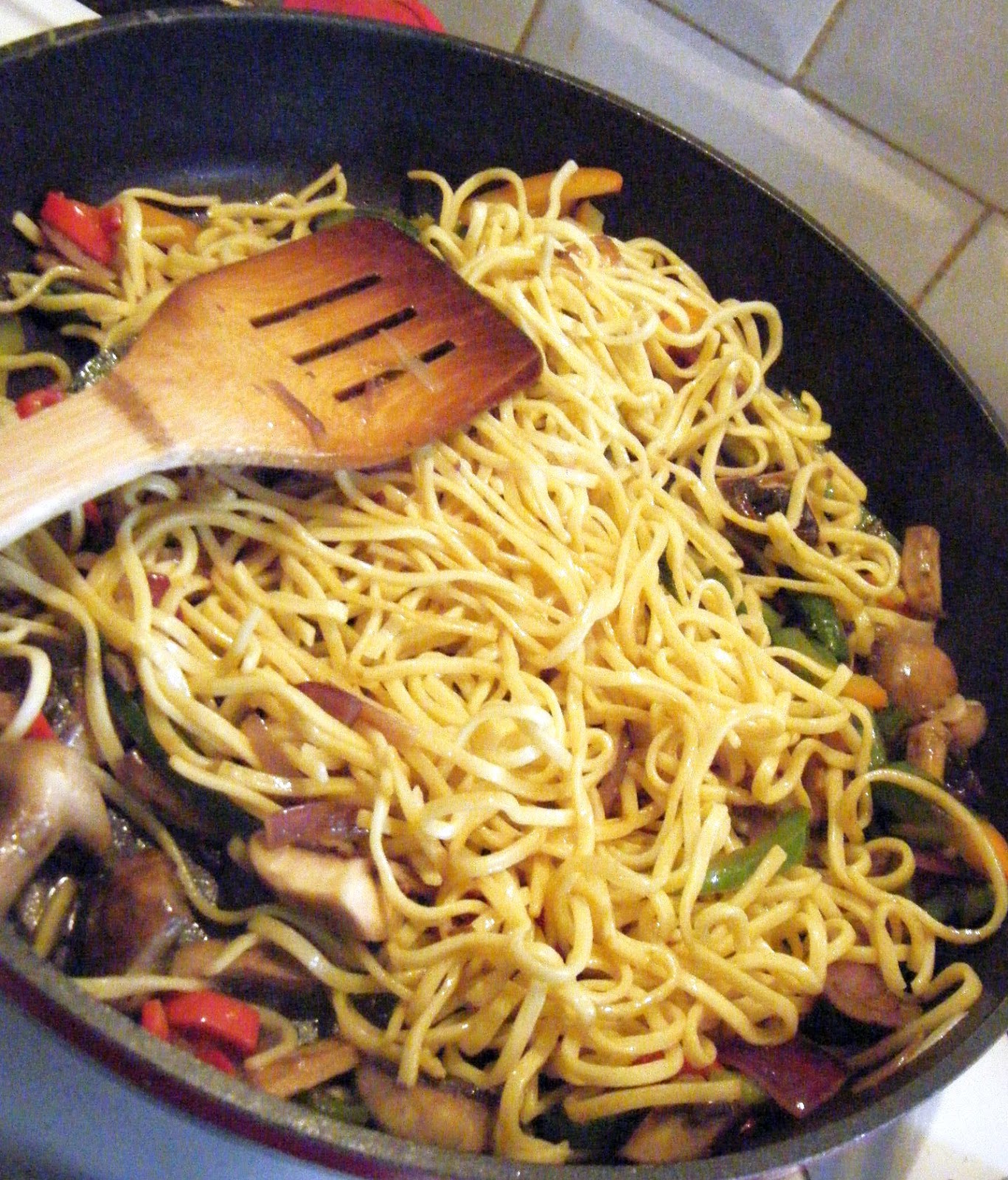
Egg Noodles with Vegetables and Chilli
Egg noodles from the Co-op, used as the basis of a vegetarian meal. The other ingredients were chestnut mushrooms (quartered), diced red onion (two small ones), strips of green and yellow pepper, and red and green chopped chillies (deseeded).
The vegetables were stirfried in some sunflower oil first (groundnut oil will do just as well) for five to seven minutes, depending on the heat used. After that the noodles were added to the pan, and spread across the pan base (you can blanch them in boiling water first, but I wanted some of the noodles to be a little crispy).
The noodles and the vegetables were stirred together, and moved around the pan every thirty seconds or so.
I added a small amount of sesame oil for flavour, and cooked the dish for another five to seven minutes at a medium heat.
I added a spiral of dark soy sauce to the serving plate, and decanted the contents of the pan. Another small drizzle of soy sauce was added, and the dish was ready to eat!
The vegetables were stirfried in some sunflower oil first (groundnut oil will do just as well) for five to seven minutes, depending on the heat used. After that the noodles were added to the pan, and spread across the pan base (you can blanch them in boiling water first, but I wanted some of the noodles to be a little crispy).
The noodles and the vegetables were stirred together, and moved around the pan every thirty seconds or so.
I added a small amount of sesame oil for flavour, and cooked the dish for another five to seven minutes at a medium heat.
I added a spiral of dark soy sauce to the serving plate, and decanted the contents of the pan. Another small drizzle of soy sauce was added, and the dish was ready to eat!
Lorne Sausage with Caramelised Onion
A simple but delicious Sunday breakfast. Two pieces of square Lorne sausage, cooked slowly in their own fat under glass, plus red and white diced onion caramelised in a little sunflower oil (or butter, if you don't mind the calories).
Served with two flat cut hash brown potatoes, some ketchup and freshly ground black pepper.
I generally cook Lorne sausage for about seven minutes each side under glass. The onions were cooked in an unlidded omelette pan for fifteen minutes, and stirred about once per minute.
Lorne sausage is made of finely ground beef (hence the description 'steak Lorne'), mixed with flour, herbs and spices, including in most cases, juniper. You can make your own, but these came ready-made from the Co-op.
Served with two flat cut hash brown potatoes, some ketchup and freshly ground black pepper.
I generally cook Lorne sausage for about seven minutes each side under glass. The onions were cooked in an unlidded omelette pan for fifteen minutes, and stirred about once per minute.
Lorne sausage is made of finely ground beef (hence the description 'steak Lorne'), mixed with flour, herbs and spices, including in most cases, juniper. You can make your own, but these came ready-made from the Co-op.
Cockaleekie Soup
This is a famous Scottish soup, and one which has lots of variations. The core of it however is just chicken, and leek. The dish is known as far back as the sixteenth century, and Talleyrand is known to have loved it, though he recommended eating it with prunes...
I diced a large carrot first of all. Then I topped and tailed a medium sized leek, cut it in half lengthways, before dicing it into half inch pieces. Both were added to a pan of boiling water.
I cut the meat from a previously roasted chicken thigh (l left the skin on, but this is a matter of personal choice) and added the pieces to the pan, plus some of the chicken jelly from the roast. I then added about a quarter of a cup of American long grain rice, and stirred thoroughly.
To complete the dish, add black pepper to taste, and either chicken stock, or some salt. Cook for about an hour and a half. This delicious soup is an instance of less being more!
I diced a large carrot first of all. Then I topped and tailed a medium sized leek, cut it in half lengthways, before dicing it into half inch pieces. Both were added to a pan of boiling water.
I cut the meat from a previously roasted chicken thigh (l left the skin on, but this is a matter of personal choice) and added the pieces to the pan, plus some of the chicken jelly from the roast. I then added about a quarter of a cup of American long grain rice, and stirred thoroughly.
To complete the dish, add black pepper to taste, and either chicken stock, or some salt. Cook for about an hour and a half. This delicious soup is an instance of less being more!
Subscribe to:
Posts (Atom)